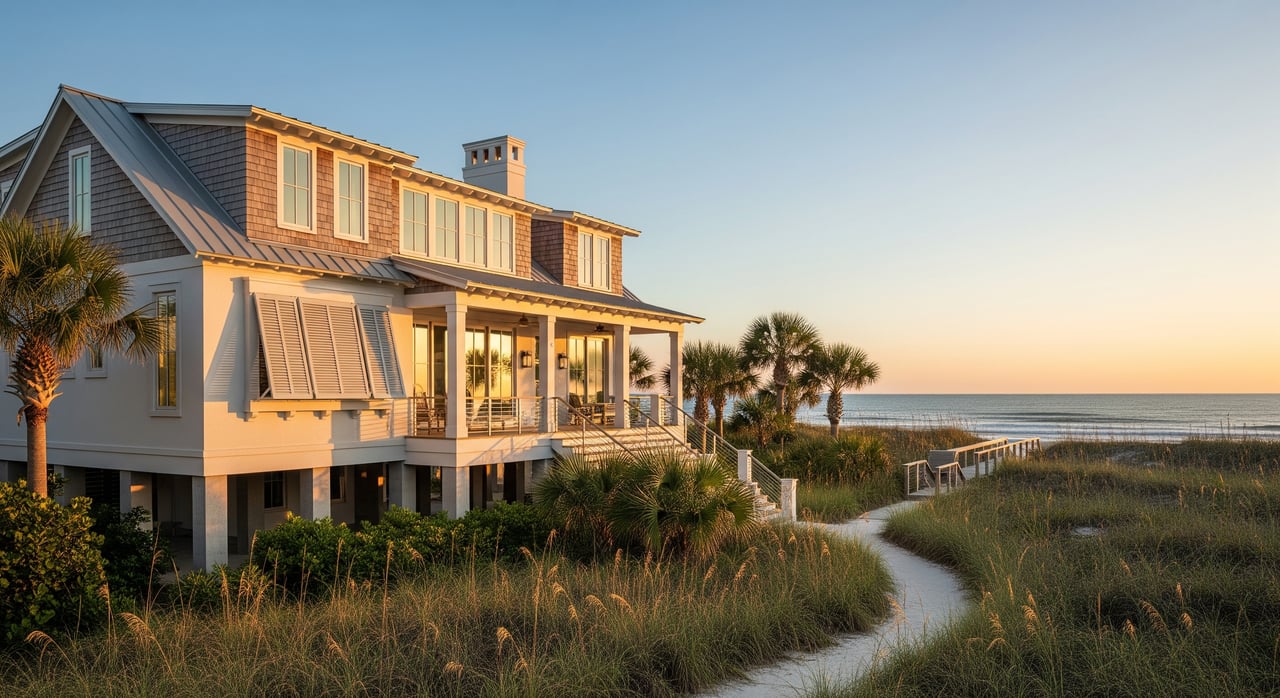
Buying a home near the beach in Ponte Vedra is exciting, but the insurance piece can feel confusing. Coastal properties face wind, storm surge, and flood risks that are very different from inland homes. If you understand how homeowners, wind, and flood policies work together, you can protect your investment and plan your budget with confidence. This guide breaks down the essentials in simple terms and gives you a clear checklist to use before you write your offer. Let’s dive in.
Why coastal insurance differs in Ponte Vedra
Ponte Vedra sits on Florida’s Atlantic coast, so homes here see higher exposure to tropical storm and hurricane winds, storm surge, and coastal flooding. Flooding risk is influenced by heavy rainfall, high tides, and surge during tropical systems. Your exact parcel’s elevation and proximity to open water matter, and those details affect pricing and availability.
Flood maps and FEMA Flood Insurance Rate Maps (FIRMs) designate Special Flood Hazard Areas, which lenders often use to decide if flood insurance is required for a federally backed mortgage. Many buyers also watch Florida’s evolving insurance market, where coverage terms and carrier availability can shift after major storms. Plan for separate coverages and know that quotes depend on your home’s location, structure features, and claims history.
Core policy types you will consider
Homeowners coverage (HO-3 vs. HO-5)
Most single-family homes use an HO-3 policy, which typically covers the dwelling on an open-perils basis, with named-peril coverage for personal property. An HO-5 may offer broader personal property coverage and higher limits, but it can cost more. In Florida, carriers often use state-specific forms and endorsements, so compare coverage details, exclusions, and limits line by line.
Wind and windstorm coverage
Coastal homes must pay close attention to wind coverage. Some carriers include wind in the homeowners policy, while others issue a separate wind-only policy or endorsement. Wind coverage for hurricanes and strong storms is essential in Ponte Vedra, and it can be priced higher than inland equivalents.
Flood insurance is separate
Standard homeowners policies exclude flood, including storm surge and rising water. Flood insurance is purchased separately through the National Flood Insurance Program (NFIP) or private flood insurers. If your home is in a mapped high-risk flood zone and you use a federally related mortgage, your lender will typically require flood coverage. Even outside those zones, many coastal buyers choose flood insurance because storm-related flooding is a real risk.
Extra protections to ask about
- Replacement cost vs. actual cash value for both dwelling and contents.
- Ordinance or law coverage for code-required upgrades during repairs.
- Loss of use/Additional Living Expenses (ALE) if you cannot live in your home after a covered loss.
- Other structures and scheduled personal property for items like fences, sheds, or valuables.
- Water backup/sewer backup endorsements, which are often not included by default.
- Sinkhole coverage, which has specific rules in Florida; ask how local carriers handle it.
Hurricane and wind deductibles
Hurricane deductibles in Florida are usually a percentage of your dwelling coverage and only apply when a hurricane trigger in the policy is met. Other perils may use a flat-dollar deductible. Compare both the percentage and how that becomes a real dollar figure so you know your out-of-pocket risk.
How the numbers work
If your dwelling limit is $300,000 and your hurricane deductible is 2 percent, your deductible for a covered hurricane loss would be $6,000. That is separate from any flat-dollar deductible that may apply to other claims. Confirm the exact triggers and time windows that define when a hurricane deductible applies.
Choosing a deductible
Higher deductibles often lower your annual premium but increase your out-of-pocket costs after a storm. Ask your insurer or broker for written examples showing premium differences and the deductible dollar amounts for each option. Pick a level that fits both your savings plan and your risk tolerance.
Roof age, condition, and mitigation
Your roof is a major underwriting factor for wind coverage in Florida. Carriers often set age thresholds and may require inspections or certifications for older roofs. In some cases, you could be asked to replace a roof before a policy is issued, or you may see higher premiums or limited roof covering if the roof is at the end of its life.
Wind mitigation inspection and credits
You can often reduce premiums with documented mitigation features. A formal wind mitigation inspection records items like:
- Roof-to-wall connectors, such as hurricane straps or clips.
- Secondary water resistance underlayment.
- Roof covering type and shape. Hip roofs often rate better than gable roofs.
- Opening protection, including impact-resistant windows and doors or shutters.
- Secure roof deck attachments and nailing patterns.
Carriers in Florida frequently apply credits when these features are verified. If your home has them, get the inspection done early and submit the report with your quote.
Buyer to-dos for roofs
Ask for roof documentation, including installation date, permits, and any contractor invoices. Order an inspection if records are incomplete or if the roof looks worn. If the home is in an HOA or condo community, clarify whether roof maintenance or replacement is covered by a master policy or is the owner’s responsibility.
Flood insurance for Ponte Vedra buyers
You will compare NFIP and private flood options during due diligence. NFIP policies have standardized terms, while private flood can offer different limits and pricing. Availability and pricing vary by home, elevation, and foundation type.
If your property sits in a Special Flood Hazard Area and you use a federally backed mortgage, flood insurance is typically required by the lender. Even if it is not required, consider it. Homeowners policies exclude flooding, and coastal rainfall, surge, and tidal effects can still cause losses outside the highest-risk zones.
What drives flood premiums
- Flood zone designation. Oceanfront V zones typically cost more than A zones.
- Elevation relative to Base Flood Elevation. Even small elevation differences can change pricing.
- Foundation type and enclosures. Homes elevated on pilings may rate differently than slab foundations, especially with enclosures below the living area.
- Mitigation details. Flood openings, breakaway walls, and compliant enclosures can help.
Ask if an Elevation Certificate exists. If not, consider obtaining one to unlock more accurate rating. If your home’s value exceeds standard NFIP limits, you may explore excess flood coverage to close gaps.
Budgeting premiums into your monthly housing cost
Insurance shapes your monthly budget, especially when premiums are escrowed with your mortgage. To plan, convert each annual premium into a monthly amount and add it to principal and interest, property taxes, and any HOA dues. If you pay premiums annually, set aside funds each month so the renewal is not a surprise.
Coastal vs. inland cost drivers
Premiums tend to rise with wind and surge exposure, lower elevation, older roofs, and fewer mitigation features. Homes with impact-rated openings, newer roofs, strong roof-to-wall connections, and elevated foundations often see better pricing. Local claims history and distance to open water can also affect quotes.
Shopping tips for Ponte Vedra
- Gather multiple homeowners and wind quotes, plus at least one flood quote. Compare NFIP and private flood if both are available for your property.
- For each quote, list the annual premium, hurricane deductible percentage and dollar amount, coverage limits for dwelling, contents, and ALE, and any exclusions.
- Ask about mitigation credits and submit proof before closing to avoid last-minute changes.
- Work with a local, Florida-licensed agent or broker who understands St. Johns County coastal underwriting and which carriers are active in Ponte Vedra.
Quick pre-purchase checklist
Use this list before you finalize your offer or during your inspection period:
- Current insurance declarations, if the seller has them, with carrier, premium, deductibles, and limits.
- Roof documentation: installation date, permits, materials, invoices, and any certifications.
- Elevation Certificate, if available, or a plan to obtain one.
- FEMA flood map printout for the parcel and your property’s flood zone designation.
- HOA or condo master policy summary to understand exterior and roof responsibilities.
- Recent wind mitigation inspection report, or schedule one.
- Quotes that show the hurricane deductible as a percentage and as a dollar amount, plus any wind or flood exclusions.
Local guidance from a trusted team
Coastal insurance is manageable when you know the moving parts. You can protect your home and your budget by confirming flood zone details, documenting roof and mitigation features, and comparing both homeowners and flood options early. A clear plan makes your Ponte Vedra purchase smoother and keeps surprises out of escrow.
If you want help coordinating quotes, inspections, and a clean path to closing, our team pairs neighborhood insights with hands-on support. We can connect you with local insurance professionals, inspectors, and resources so you get accurate answers fast. Ready to move forward with confidence in Ponte Vedra? Reach out to Rosanne Hearn to start a personalized game plan.
FAQs
Do I need both homeowners and flood insurance in Ponte Vedra?
- Yes. Homeowners policies exclude flood, and coastal homes face surge and rainfall flooding risk, so you typically pair a homeowners or wind policy with separate flood coverage.
How does the Florida hurricane deductible work on a claim?
- It is often a percentage of your dwelling limit and applies only when the policy’s hurricane trigger is met, so confirm the percentage and calculate the dollar amount upfront.
Will an older roof keep me from getting coverage?
- Possibly. Many carriers restrict or surcharge older roofs, may require inspections, or even replacement before binding; get roof documents and quotes early in your process.
Can wind mitigation features lower my premium?
- Yes. Verified features like hurricane clips, impact-rated openings, and secondary water resistance often earn credits; submit a wind mitigation inspection to your carrier.
Is flood insurance required if my lender does not mandate it?
- Not always, but it is strongly recommended in coastal areas because homeowners policies exclude flood and water can rise outside mapped high-risk zones.
How do insurance premiums affect my escrow and monthly payment?
- Lenders often escrow insurance, so your monthly budget will include one-twelfth of the annual premium, along with taxes, HOA dues, and mortgage principal and interest.
Can I count on getting coverage next year along the coast?
- There are no guarantees, since market conditions and carrier appetites can change; shop early at renewal, document mitigation, and work with local experts to stay prepared.
