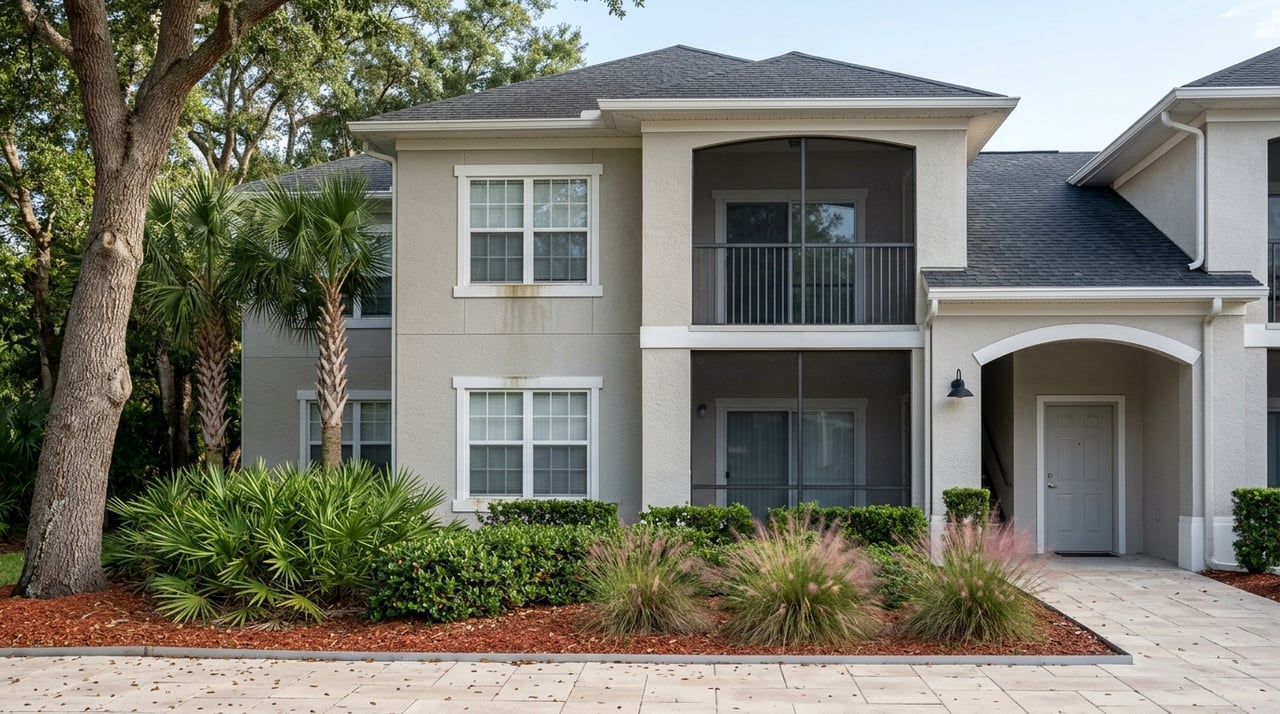
Wondering whether a coastal condo in Ponte Vedra Beach is the right move for your lifestyle? It can be an appealing option if you want beach access, less exterior upkeep, or a home you can lock and leave more easily than a detached house. At the same time, condo ownership comes with shared costs, association rules, and a more document-heavy due diligence process. If you are weighing convenience against control, this guide will help you think it through. Let’s dive in.
Why Ponte Vedra Beach Fits Condo Living
Ponte Vedra Beach sits within St. Johns County, where the county beach system stretches across 42 miles of coastline. That matters because coastal ownership here is tied not only to ocean views, but also to public access, dune systems, and shoreline management.
For example, Mickler’s Landing offers public beach access with parking, restrooms, showers, and an ADA dune walkover through 20-foot dunes. St. Johns County also reports that its Ponte Vedra Beach restoration project is complete, including about two million cubic yards of sand placed to rebuild a dune-and-berm system along 8.9 miles of shoreline.
That creates an important mindset shift for buyers. A coastal condo in Ponte Vedra Beach is not just a view purchase. It is also ownership in a managed coastal environment where beach access, dune protection, and ongoing shoreline work can shape your day-to-day experience and long-term costs.
What a Coastal Condo Offers
For many buyers, the biggest draw is simplicity. Compared with a detached beach house, a condo can feel easier to maintain because the association typically handles broader building and common-area responsibilities under its master policy.
Florida’s consumer insurance guide explains that an HO-6 condo policy generally covers your personal property, liability, and some building items not covered by the association. That split often appeals to buyers who want a lower-maintenance ownership model, especially if you plan seasonal use or expect to be away part of the year.
You may find condo living especially attractive if you want:
- Easier upkeep than a detached coastal home
- A property you can leave for part of the year
- Shared building systems instead of solo maintenance responsibility
- A more streamlined beach lifestyle with nearby access points
Still, lower maintenance does not mean no responsibility. You are trading some independence for a shared ownership structure, and that deserves a close look before you buy.
The Main Tradeoffs to Know
The biggest condo tradeoff is shared decision-making. Monthly dues can cover important building expenses, but they are only part of the true cost of ownership.
According to the same Florida insurance consumer guide, associations may assess owners for common-area damage if the master policy or reserves do not fully cover a loss. In plain terms, that means a condo can feel simple right up until a major repair, insurance gap, or underfunded reserve issue creates an extra bill.
You also need to be comfortable with association rules. Rental limits, pet policies, and leasing terms can directly affect whether the condo works for your plans. If flexibility matters to you, those documents should be reviewed early, not after you fall in love with a unit.
Florida Condo Rules Matter More Now
If you are shopping for a condo in Ponte Vedra Beach, Florida’s current condo laws should be part of your decision process. Building condition and reserve funding are now central issues, especially in buildings three stories or higher.
Under Florida Statute 718.112, qualifying residential condo associations must complete a structural integrity reserve study at least every 10 years. For budgets adopted on or after December 31, 2024, associations that must obtain that study generally may not waive or underfund required reserves for those structural items.
Florida law also requires milestone inspections for buildings that are three habitable stories or more by the year they turn 30, and every 10 years after that. The owner-facing summary must then be distributed after the inspection.
For you as a buyer, this means the quality of the building’s records matters almost as much as the quality of the view. A well-run association with current inspections, realistic budgets, and funded reserves may offer more predictability than a building with lower dues but weaker financial planning.
What to Review Before You Buy
Condo resale in Florida is heavily document-driven. Buyers are entitled to receive key records, and those documents can tell you a great deal about ownership costs, risks, and future resale appeal.
Under Florida Statute 718.503, buyers are entitled to current copies of the declaration, articles, bylaws and rules, annual financial statement and budget, and, when applicable, the milestone inspection summary and most recent structural integrity reserve study.
Florida law also requires associations to maintain official records that include budgets, financial reports, reserve studies, inspection reports, contracts, and bids. That is one reason dues can vary so much from one building to another. Operating costs may include management, maintenance, insurance, utilities, and reserve funding.
Your condo document checklist
Before moving forward, make sure you review:
- Current monthly dues and what they cover
- Annual budget and recent financial statements
- Reserve study, if applicable
- Milestone inspection summary, if applicable
- Rules for rentals, pets, and leasing terms
- Any pending or discussed special assessments
- Building insurance structure and owner responsibilities
- Flood insurance requirements for the unit or building
These details can help you understand whether a condo fits your budget today and still makes sense a few years from now.
Insurance Questions You Should Ask
Insurance is one of the most misunderstood parts of condo ownership. Many buyers assume the association’s master policy covers everything, but that is not how Florida condo insurance works.
Florida’s homeowners insurance toolkit explains that your HO-6 policy still matters because it covers personal property, liability, and some building items not covered by the association. The same guide notes that items such as floor, wall, and ceiling coverings, electrical fixtures, appliances, built-ins, and window treatments may fall outside the association’s coverage, depending on the declaration and master policy.
Another condo-specific issue is loss-assessment coverage. The Florida guide says HO-6 policies must include at least $2,000 in loss-assessment coverage with a deductible no higher than $250. This matters because owners may be assessed for common-area losses that are not fully covered by the master policy or reserves.
Flood insurance is separate as well. The Florida flood insurance resource page states that flood coverage is a separate policy, flooding can happen anywhere, and lenders may require it. FEMA also notes there is at least a 26% chance of flooding over a 30-year mortgage for properties in a Special Flood Hazard Area, and homes in those zones with government-backed mortgages must carry flood insurance.
Wind, Resilience, and Coastal Ownership
In a coastal market like Ponte Vedra Beach, wind resilience is part of the ownership conversation. Buyers should pay attention to how an association handles storm preparation, maintenance, and building improvements.
Florida’s My Safe Florida Condo pilot program offers free inspections and grant funding for eligible coastal associations to make wind-mitigation improvements. While eligibility varies, the program is a useful reminder that building resilience can affect both future costs and insurance premiums.
When you review a condo community, ask practical questions. How does the association prepare for hurricane season? Have there been recent mitigation upgrades? Are there owner communications that explain procedures for storms, access, and post-event repairs?
Who a Ponte Vedra Beach Condo Suits Best
A coastal condo may be a strong fit if you want convenient beach access and a more predictable upkeep model than a detached home can offer. It can also work well if you are relocating, downsizing, buying a seasonal property, or looking for a lock-and-leave option.
It may be less ideal if you want full control over maintenance decisions, minimal shared rules, or complete flexibility on rentals and use. In that case, a detached home may align better with your priorities, even if it comes with more hands-on responsibility.
The right answer comes down to how you want to live. If you value convenience, shared maintenance, and coastal access, a condo can be a smart match. If you value autonomy above all else, the tradeoffs may feel too restrictive.
How to Make a Smart Decision
The best way to decide is to compare the lifestyle and financial picture, not just the price tag. A condo with higher dues but strong reserves and current inspections may be a better long-term fit than a unit with lower dues and unresolved building questions.
As you tour properties in Ponte Vedra Beach, focus on three things: the unit, the building, and the documents. All three affect your ownership experience. A beautiful interior cannot make up for weak reserves, unclear insurance responsibilities, or upcoming assessments.
If you are considering a coastal condo and want local guidance on what to look for in Ponte Vedra Beach, Rosanne Hearn can help you evaluate the lifestyle fit, review the right questions, and compare your options with a clear local perspective.
FAQs
What does condo ownership in Ponte Vedra Beach usually include?
- Condo ownership typically includes your unit plus shared responsibility for common areas through the association, while the association’s master policy generally covers broader building and common-element areas.
What should buyers review before buying a Ponte Vedra Beach condo?
- You should review the budget, financial statements, governing documents, reserve study if applicable, milestone inspection summary if applicable, insurance details, and any pending or possible special assessments.
What does an HO-6 policy cover for a Florida condo owner?
- An HO-6 policy generally covers your personal property, liability, and certain interior items or improvements not covered by the association’s master policy.
Is flood insurance required for a coastal condo in Ponte Vedra Beach?
- Flood insurance is separate from condo or homeowners insurance, and lender requirements depend on the property and loan, especially if the building or unit is in a Special Flood Hazard Area.
Are condo dues the full cost of owning a coastal condo in Florida?
- No, dues are only part of the ownership cost because owners may also face insurance costs, flood insurance requirements, and special assessments if reserves or master coverage are not enough.
How do Florida condo laws affect Ponte Vedra Beach buyers?
- Florida condo laws now place greater emphasis on reserve studies, milestone inspections, and disclosure documents, which makes careful review of building records especially important during the buying process.