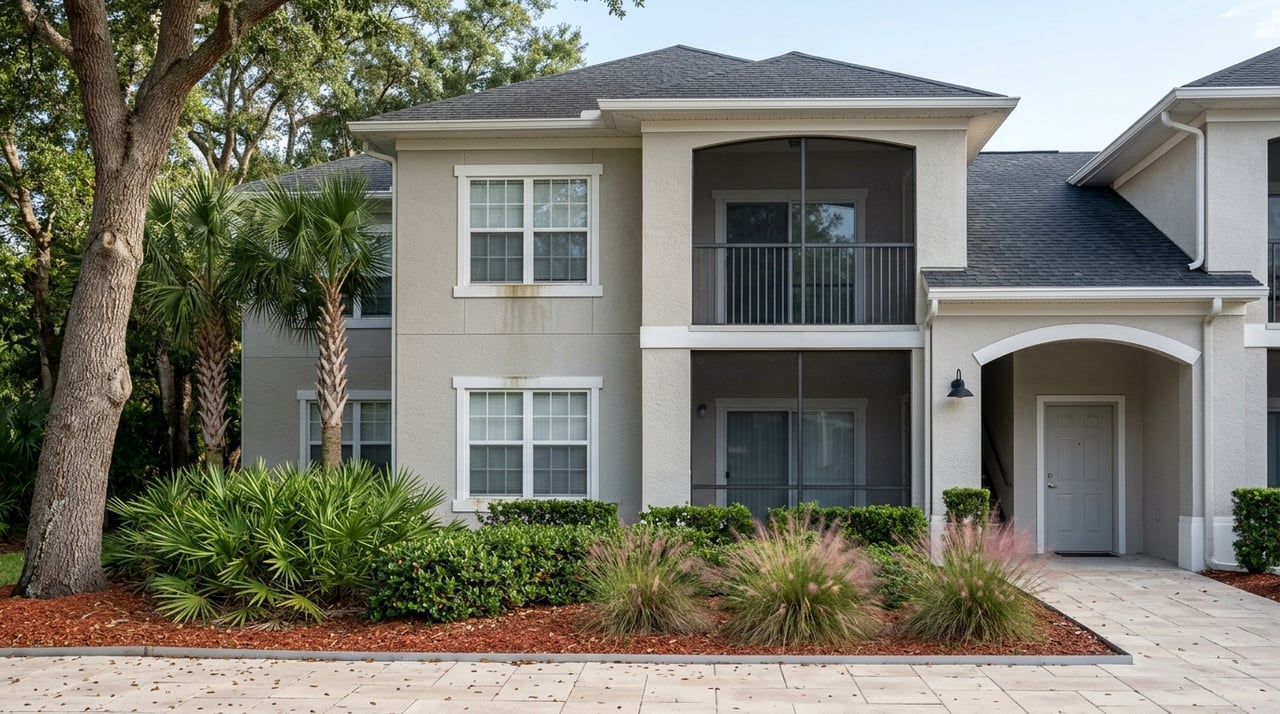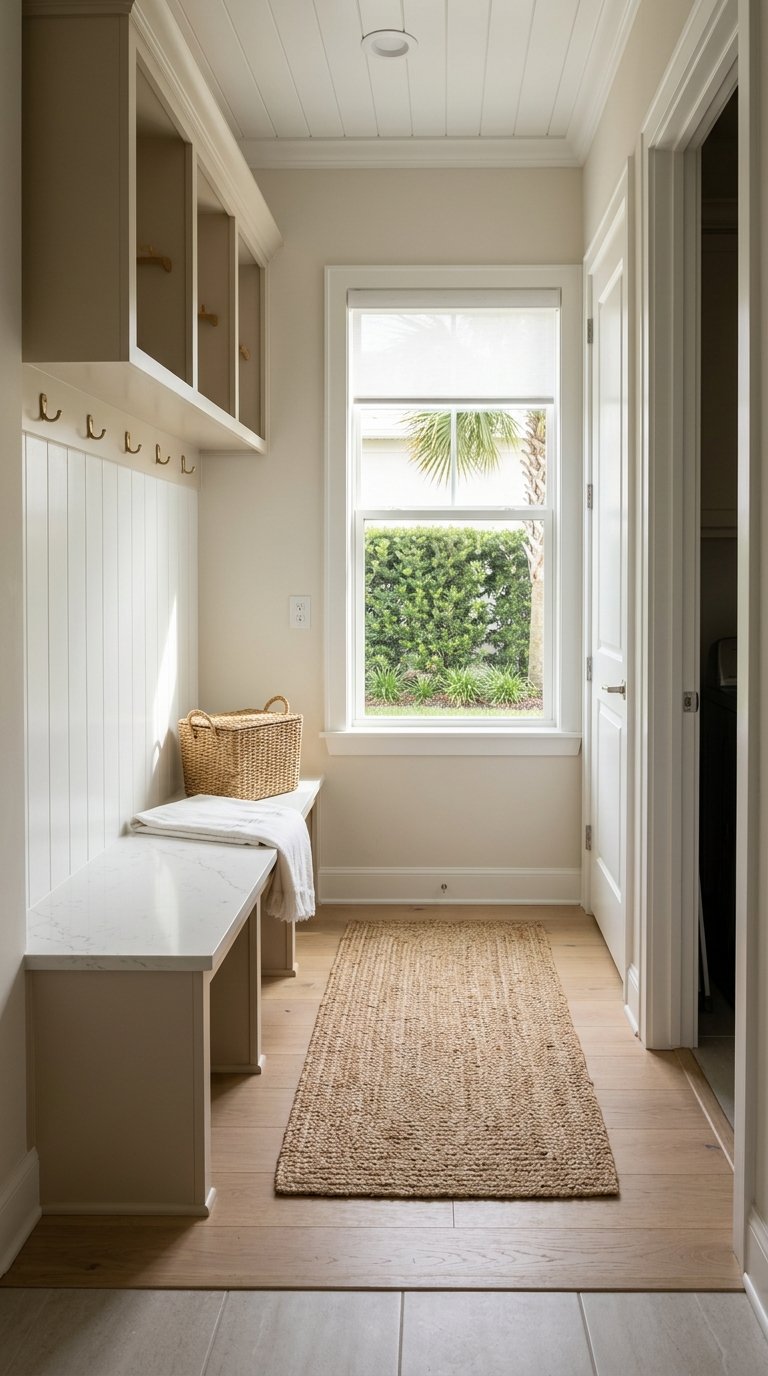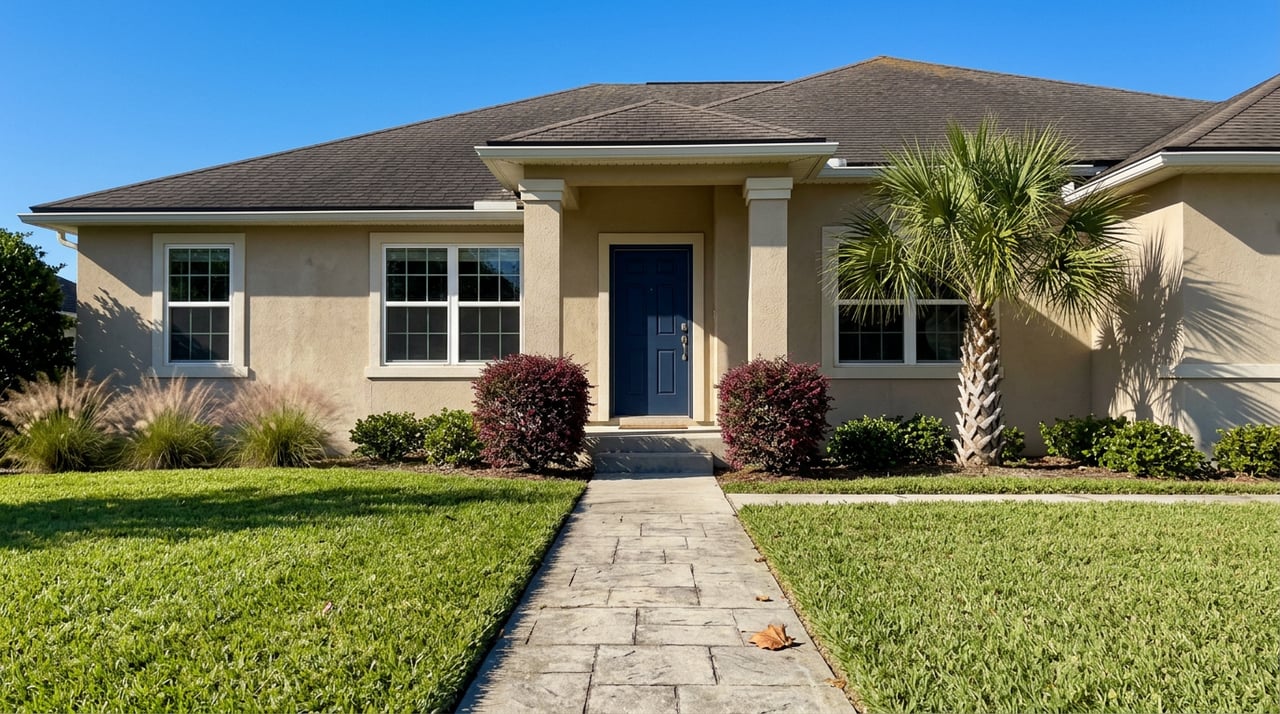
Getting your Saint Johns home ready to list can feel overwhelming, especially when you want to make a strong first impression without wasting time or money. The good news is that a smart prep plan makes the process much easier. If you follow the right order, you can reduce surprises, present your home well, and feel more confident when buyers start touring. Let’s dive in.
Start With Condition And Paperwork
Before you declutter a single closet or schedule photos, focus on the home itself. A practical first step is to review condition, maintenance items, and key records so you know what buyers may notice and ask about.
According to the National Association of Realtors consumer guide on preparing to sell your home, a pre-sale inspection is not required, but it can help identify issues with the structure, exterior, roof, plumbing, electrical, heating, and air-conditioning systems before your home goes live. That gives you time to decide what to repair, what to disclose, and what documentation to gather.
If major systems or features have been replaced, pull together any warranties, manuals, contractor invoices, and service records. This kind of preparation can help answer buyer questions early and keep the transaction moving more smoothly.
Consider A Pre-Listing Inspection
A pre-listing inspection is not mandatory, but it can be a useful tool. Instead of learning about a problem after a buyer is under contract, you can identify issues up front and make a plan.
NAR also recommends getting replacement estimates for big-ticket items when needed. If your roof, HVAC system, or another major component has a known issue, having estimates and records ready can help you respond clearly when buyers ask.
Gather Permit Records Early
Permit history is an important part of listing prep in Saint Johns. St. Johns County notes that many construction, alteration, repair, and system replacement projects require a permit, and it advises homeowners to verify that anyone hired is properly licensed and insured through the county’s building permits resources.
If you completed work on the home, gather permit records, contractor information, paid invoices, and any final approvals before listing. That includes projects like roof work, electrical updates, plumbing changes, HVAC replacement, and larger renovations.
Address Repairs And Disclosure Items
Once you understand the home’s condition, the next step is to handle repairs and disclosure-related issues. This is where preparation can protect both your timeline and your negotiation position.
Florida sellers should treat disclosure as a real part of listing prep. In Johnson v. Davis, the Florida Supreme Court held that a seller who knows of facts materially affecting a property’s value, when those facts are not readily observable or already known to the buyer, has a duty to disclose them.
That means known issues are not something to leave until the last minute. If a pre-sale inspection or your own records reveal concerns, it is wise to organize that information before buyers begin touring the home.
Fix The Issues Buyers Notice Most
If you are deciding where to spend time and money first, start with items that can become inspection issues or buyer objections. Based on NAR seller guidance, that often means focusing on:
- Roof concerns
- Plumbing issues
- Electrical issues
- HVAC performance problems
- Structural concerns
- Drainage or water-related issues
- Permit-related questions tied to past work
Cosmetic improvements matter, but condition issues usually carry more weight during negotiations. Solving the biggest concerns first can help you avoid delays later.
Prepare For Flood And Storm Questions
In Saint Johns, local conditions matter. If your property has any flood-risk, drainage, or storm-related history, gather facts early rather than waiting for buyers to ask.
St. Johns County provides a Flood Zone Viewer and GIS tools that include flood hazards, evacuation routes, storm surge zones, and other mapping layers. The county also notes that its floodplain team can issue FIRM determination letters, usually within three business days or less.
This is especially useful if flood-zone verification may come up during buyer due diligence. Having clear information ready can make your listing package more complete and reduce uncertainty.
Declutter And Stage With Purpose
After repairs and records are under control, shift your focus to presentation. Your goal is to make the home feel clean, spacious, and easy for buyers to picture as their own.
NAR seller handouts recommend decluttering, packing away least-used items, and deep cleaning before the home hits the market. That includes details sellers sometimes overlook, like cleaning windows, carpets, walls, light fixtures, and baseboards.
This stage matters because buyers form impressions quickly, both online and in person. A cleaner, more open home usually photographs better and feels easier to tour.
Focus On The Rooms That Matter Most
You do not need to make every room look like a showroom. Focus first on the spaces buyers notice early in photos and on the first walkthrough.
In NAR’s 2025 Profile of Home Staging, 83% of buyers’ agents said staging made it easier for buyers to visualize the property as a future home. The rooms most commonly staged were the living room at 91%, the primary bedroom at 83%, and the dining room at 69%.
For many Saint Johns sellers, that means giving extra attention to:
- The living room
- The kitchen
- The primary bedroom
- The dining area
- The entry and front exterior
A simple, neutral, move-in-ready look often works best. The goal is not to erase personality completely, but to reduce distractions and highlight space, light, and function.
Schedule Photos Only After The Home Is Ready
Professional photos should come after cleaning, decluttering, staging, and repair prep are complete. If you photograph too early, your online first impression may not reflect your home at its best.
NAR reports that 81% of buyers rated listing photos as the most useful feature during their online home search. It also notes that the lead image helps set expectations for the entire listing.
That is why photo readiness is a major step, not a minor one. When your home is bright, clean, and well prepared before the shoot, buyers are more likely to click, save, and schedule a showing.
Launch While Interest Is Fresh
NAR also notes that early activity in the first few days after launch matters for visibility. In practical terms, that means your home should be fully ready before it hits the market.
Try not to list while you are still finishing repairs, cleaning rooms one by one, or sorting through paperwork. A polished launch can help you make the most of that early attention.
Build A Showing-Day Routine
Once your home is live, consistency becomes important. A repeatable showing-day checklist can help you stay ready without feeling rushed every time an appointment comes in.
NAR’s seller showing checklist recommends simple but important steps before each showing. These tasks help your home feel clean, bright, and easy to tour.
Use This Simple Showing Checklist
Before every showing, try to:
- Pick up toys, clothes, and daily clutter
- Clear kitchen and bathroom counters
- Wipe surfaces and high-touch fixtures
- Neutralize odors
- Swap out used towels
- Wipe mirrors
- Open window coverings
- Turn on all lights
- Disable the alarm if needed
- Take pets with you
- Secure jewelry, firearms, devices, and prescription medication
This routine does not have to be complicated. The key is making it repeatable so your home is consistently show-ready.
Plan For Saint Johns Weather Season
Saint Johns sellers also need to think about local weather timing, especially during storm season. St. Johns County states that hurricane season runs from June 1 through November 30, and the county is vulnerable to hurricanes.
The county also notes that residents in coastal or low-lying areas, frequently flooded areas, or manufactured homes may be asked to evacuate. On top of that, the county’s flood facts guidance explains that local flood hazards can be driven by heavy rainfall, seasonal high tides, and storm-related tidal surges.
If you are listing during this time of year, it helps to be ready for buyer questions about flood zones, evacuation zones, and storm planning. Organizing that information before you list can make your home easier to market with confidence.
A Smart Prep Sequence For Saint Johns Sellers
If you want a simple order to follow, use this sequence:
- Review the home’s condition and records
- Consider a pre-listing inspection
- Gather permit history, invoices, and warranties
- Address major repairs and disclosure items
- Verify flood-zone or drainage details if relevant
- Declutter, deep clean, and stage key rooms
- Schedule photos only after the home is fully ready
- Launch with a complete listing package
- Use a repeatable showing-day checklist
This order helps you avoid common last-minute issues and supports a smoother listing experience.
Selling a home in Saint Johns is not just about putting a sign in the yard. It is about preparing the property, the paperwork, and the buyer experience in the right order. If you want a thoughtful, staging-forward plan tailored to your home and timeline, connect with Rosanne Hearn for expert guidance and a polished path to market.
FAQs
Do Saint Johns home sellers need a pre-listing inspection before listing?
- No. NAR says it is not required, but it can help you identify issues before buyers tour the home.
What should Saint Johns sellers fix first before putting a home on the market?
- Start with roof, plumbing, electrical, HVAC, structural, drainage, and permit-related issues that could create buyer objections or disclosure concerns.
What paperwork should Saint Johns sellers gather before listing a home?
- Collect permit records, contractor invoices, warranties, manuals for items staying with the home, and repair estimates for major systems if needed.
How should Saint Johns sellers prepare a home for photos?
- Finish repairs first, then declutter, deep clean, stage key rooms, and make sure the home is bright and photo-ready before the shoot.
What should Saint Johns sellers do before every showing?
- Clear clutter, wipe surfaces, open window coverings, turn on lights, remove pets, and secure valuables and medications.
Why do flood zones and storm season matter for Saint Johns home sellers?
- Buyers may review flood-zone, evacuation-zone, drainage, and storm-risk details during due diligence, especially during hurricane season.